Post-Construction Cleanup Checklist: What Lodi Contractors and Building Owners Need to Know
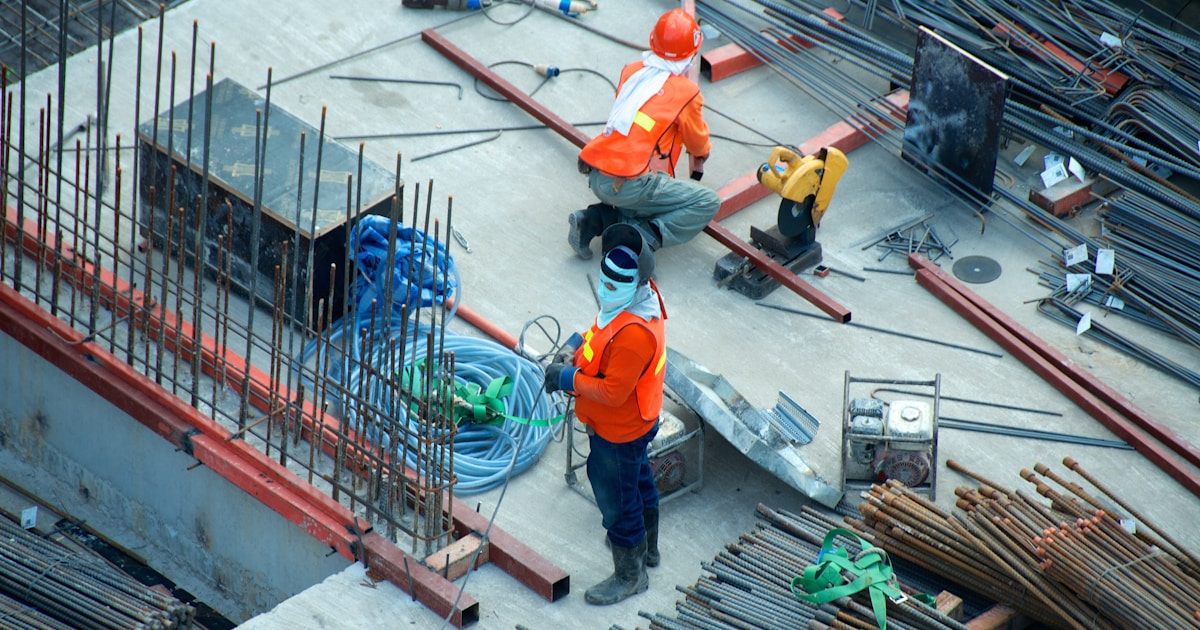
Lodi and the surrounding San Joaquin County are growing. New commercial developments along Kettleman Lane, residential projects throughout the city, renovation work in Downtown Lodi, and infrastructure improvements near Highway 99 are reshaping the landscape. For contractors managing these projects and building owners preparing to occupy new or renovated spaces, there is a critical step between the last nail being driven and the first tenant moving in: post-construction cleanup.
Post-construction cleanup is not a quick sweep with a broom. It is a multi-phase, detail-intensive process that determines whether a finished building looks truly finished or whether it still feels like a construction site. Done poorly, it leads to failed inspections, frustrated clients, delayed occupancy, and callbacks that eat into your margin. Done properly, it is the final polish that transforms raw construction into a space people are excited to use.
This guide covers everything Lodi contractors and building owners need to know about post-construction cleanup, including the three phases of cleaning, a detailed checklist of what each phase includes, safety considerations, realistic timelines, and why professional cleanup crews deliver results that in-house labor simply cannot match.
Phase 1: Rough Clean (Construction Clean)
The rough clean is the first pass and typically begins while construction is still wrapping up. It happens after the major structural, mechanical, and electrical work is complete but before finish work like painting, final flooring, and fixture installation takes place. The purpose of the rough clean is to remove bulk debris and create a safe, workable environment for the trades that will apply the final finishes.
What the rough clean includes:
Removal of all large debris including wood scraps, drywall cutoffs, metal shavings, pipe cuttings, wire remnants, and packaging materials. Sweeping all floors to remove loose dirt, dust, and construction material. Clearing all walkways, stairwells, and access points of tripping hazards. Removing any standing water from plumbing work or weather intrusion. Pulling nails, screws, and staples that protrude from surfaces in walkable areas. Doing a preliminary wipe-down of windowsills, ledges, and horizontal surfaces to remove heavy dust accumulation. Cleaning out any debris that has accumulated inside ductwork, mechanical chases, or plumbing access areas before these spaces are closed up.
In Lodi, where construction sites are exposed to Central Valley dust for weeks or months during the building process, the rough clean also involves addressing the significant layer of fine agricultural and environmental dust that has settled on every surface. This dust gets into everything: inside wall cavities, on top of ceiling grids, inside electrical boxes, and throughout ductwork. A thorough rough clean at this stage prevents that dust from being sealed inside the building where it will circulate through the HVAC system for years to come.
Phase 2: Final Clean (Detail Clean)
The final clean is the most intensive and time-consuming phase of post-construction cleanup. It takes place after all construction work, including punch list items, paint touch-ups, and final fixture installations, is complete. Every surface in the building receives attention during this phase, and the goal is to bring every room, corridor, restroom, and common area to a move-in-ready condition.
What the final clean includes:
Windows and Glass: All interior and exterior glass is cleaned, including the removal of paint overspray, adhesive residue from manufacturer stickers, caulk smears, and construction film. Window tracks are vacuumed and wiped to remove accumulated debris. Glass partitions, mirrors, and display cases are polished streak-free.
Walls and Ceilings: All walls are wiped down to remove dust, fingerprints, scuff marks, and pencil or marker lines left by tradespeople. Light switches, outlet covers, and wall plates are cleaned. Ceiling tiles are dusted or vacuumed, and any stained or damaged tiles are flagged for replacement.
Floors: Hard floors are swept, mopped, and scrubbed. Grout haze from new tile installations is removed with appropriate acidic cleaners applied at the correct dilution and dwell time to dissolve haze without damaging grout joints. VCT floors receive an initial seal and wax application to protect the new surface. Carpeted areas are vacuumed thoroughly, and any construction stains are spot-treated. Concrete floors are swept, scrubbed, and treated as specified.
Restrooms: All fixtures including toilets, urinals, sinks, faucets, and soap dispensers are cleaned, polished, and tested for function. Tile and grout are scrubbed. Mirrors are cleaned. Partitions are wiped down. Floor drains are checked for debris.
Kitchens and Break Rooms: Countertops, sinks, cabinets, and appliance surfaces are cleaned inside and out. Any protective film on appliances is removed. Shelving is wiped down.
Fixtures and Hardware: All light fixtures, covers, and lenses are dusted and cleaned. Door handles, hinges, closers, and kick plates are wiped and polished. Cabinet hardware is cleaned. Elevator interiors, if applicable, are detailed.
HVAC System: All registers, grilles, and diffusers are removed and cleaned or wiped in place. Visible ductwork is wiped down. HVAC filter status is checked, and filters are replaced if they were installed during construction to catch dust.
Exterior: Entry areas, sidewalks, and loading zones immediately adjacent to the building are swept or pressure washed to remove construction debris, concrete splatter, and mud.
Phase 3: Touch-Up Clean (Punch List Clean)
The touch-up clean occurs after the final walkthrough with the building owner, property manager, or tenant. During the walkthrough, any areas that do not meet the standard are flagged, and the cleaning team returns to address those specific items. The touch-up clean also covers any mess created by last-minute punch list work performed after the final clean, such as a painter touching up trim, a plumber adjusting a fixture, or an electrician replacing a cover plate.
This phase is often the difference between a satisfied client and a callback that costs you time, money, and credibility. A contractor who delivers a space that requires minimal touch-up demonstrates a level of professionalism that building owners remember when selecting contractors for future projects. In Lodi's tight-knit business community, that reputation matters.
Safety Considerations During Post-Construction Cleanup
Post-construction sites present hazards that standard commercial cleaning environments do not. A professional cleanup crew must be trained to recognize and mitigate these risks. Key safety considerations include:
Hazardous Materials: Construction sites may contain silica dust from concrete cutting, lead paint dust in renovation projects involving older buildings, asbestos-containing materials in demolition or remodel work on pre-1980 structures, and chemical residues from solvents, adhesives, sealants, and coatings. Cleanup crews must know how to identify these hazards and handle them according to OSHA and Cal/OSHA regulations. In Lodi, where many commercial buildings and homes date back several decades, renovation projects frequently involve materials that require special handling and disposal procedures.
Physical Hazards: Protruding nails and screws, uneven surfaces, open stairwells, unfinished railings, temporary electrical connections, and unstable debris piles all present injury risks. Cleanup crews must wear appropriate personal protective equipment including steel-toed boots, cut-resistant gloves, eye protection, and dust masks or respirators rated for the specific particulates present on site.
Electrical Safety: Water and cleaning solutions used near active electrical panels, exposed wiring, or recently installed fixtures require extra caution. Cleanup crews should verify that circuits are de-energized before cleaning in electrical rooms or near open junction boxes.
Fall Protection: Cleaning windows, light fixtures, or elevated surfaces may require ladders, scaffolding, or lift equipment. Proper fall protection procedures must be followed, especially in multi-story buildings or spaces with mezzanines, catwalks, or open atriums.
Proper Disposal: Construction debris must be sorted and disposed of according to local regulations. San Joaquin County has specific requirements for the disposal of construction and demolition waste, including recycling mandates for certain materials. A professional cleanup crew will handle disposal properly, keeping your project compliant and avoiding potential fines.
Realistic Timelines for Post-Construction Cleanup
One of the most common mistakes contractors and building owners make is underestimating the time required for post-construction cleanup. Rushed cleanup leads to missed details, and missed details lead to callbacks, failed inspections, and delayed occupancy.
As a general guideline for planning purposes, here is what to expect for each phase:
Rough clean: For a standard commercial space of 5,000 to 10,000 square feet, plan for one to two days with a crew of two to four people. Larger spaces or projects with heavy debris may require additional time and crew.
Final clean: This is the most time-intensive phase. A 5,000-square-foot commercial space typically requires two to four days with a crew of three to six people. A 20,000-square-foot building may require a full week or more. Spaces with extensive tile work, large window areas, or specialty finishes will take longer than simple drywall-and-carpet buildouts.
Touch-up clean: Typically requires a half day to one full day, depending on the number of items flagged during the walkthrough and any additional punch list work that was performed after the final clean.
Building these timelines into your project schedule from the beginning is essential. Do not wait until the last week of the project to start thinking about cleanup. Coordinate with your cleaning team early so they can assess the scope, plan their staffing, and reserve the equipment they will need. For large commercial projects in Lodi, booking your cleanup crew two to four weeks in advance is advisable, especially during the busy construction season from spring through fall.
Why Professional Cleanup Crews Outperform In-House Labor
Many contractors attempt to save money by handling post-construction cleanup with their own crew or by hiring day laborers. While this approach reduces the line item cost of cleanup, it almost always results in inferior quality, longer timelines, and hidden costs that more than offset the savings.
Professional post-construction cleaning companies bring equipment that most contractors do not own: industrial HEPA-filtered vacuums designed to capture fine construction dust, auto-scrubbers for large floor areas, water-fed pole systems for exterior window cleaning, lift equipment for high interior spaces, and specialized tools for grout haze removal, adhesive removal, and floor finishing. They also carry the correct cleaning chemicals for every surface type, knowing which products are safe for new granite countertops versus which ones will etch the surface, or which solvents will remove paint overspray from glass without scratching it.
Perhaps most importantly, professional cleanup crews understand the sequence of operations for post-construction cleaning. They know to clean from top to bottom so that dust falling from upper surfaces does not re-contaminate already cleaned lower surfaces. They know to clean from the back of the building toward the front so that foot traffic does not track through finished areas. They know to clean HVAC registers before doing final floor care so that dust blown out of the system during startup does not settle on freshly cleaned floors. These details make the difference between a space that looks good from a distance and one that holds up under close inspection.
Partner With a Lodi Cleanup Team That Understands Construction
At Lodi Janitorial Services, we work with contractors, developers, and building owners throughout Lodi and San Joaquin County to deliver post-construction cleanup that meets the highest standards. Whether your project is a single-suite tenant improvement, a full commercial buildout, a residential new build, or a large-scale renovation, we have the crew, the equipment, and the experience to get your space from construction site to move-in ready on schedule and on budget.
We understand the urgency that comes with construction timelines. We know that a delayed cleanup means a delayed occupancy, which means a delayed return on your investment. That is why we commit to clear timelines, maintain flexible scheduling to accommodate punch list work, and deliver results that pass the most demanding final walkthroughs. Call Lodi Janitorial Services at (209) 243-6929 to discuss your upcoming project and get a cleanup plan in place before the last trade walks off the site.
Get a Free Cleaning Estimate
Ready to experience the difference professional cleaning makes? Contact Lodi Janitorial Services today for a free, no-obligation estimate tailored to your business.